

Read/see much more about our legend vintage Stockholm New events here! More text and pics below. Regrettably, like with all of our vintage events, few images remain. We had other things on our minds that photographing and filming ourselves back in those distant pre social media days …
After visiting our pioneering event Living in Sweden in Milan in 1998, our dear friend Ewa Kumlin, then the Swedish Ambassador’s Spouse in Tokyo, later a key player in Swedish imaging and design, in several positions, came up with the idea of staging a multi-creative event of the same concept in the Japanese megalopolis. There, our quite spectacular Swedish Embassy in the Roppongi district would serve as a hub for a sprawling extravaganza spread out through the vast urban landscape, over a two-week period. The ambition was to raise awareness of Sweden and contemporary Swedish creativity in Japan, boosting contacts between the creative communities in the two nations — and exploring the intriguing kinships and contrasts in our respective visual and cultural heritages. It was nation branding, as it much later came to be labeled.
Said and done. As usual back then, things proceeded quickly. With Stockholm New, we agreed to co-host and produce the event. Ewa Kumlin also appointed curators Jan Åman and Thomas Nordanstad in the production of a venture more oriented on art and fashion than that in Milan the year before which had focused on product design and interiors, naturally, as it was staged during the Salone del Mobile design fair. I take credit for coining the name, or brand, Swedish Style, as I found Living in Sweden weak. I had used it before in Stockholm New and liked its more than somewhat “dubious” annotations, of course, which I just as apparently didn’t reveal to anyone … in any case, it proved a most effective name/brand/concept over the years, with great potential also for future nation branding.
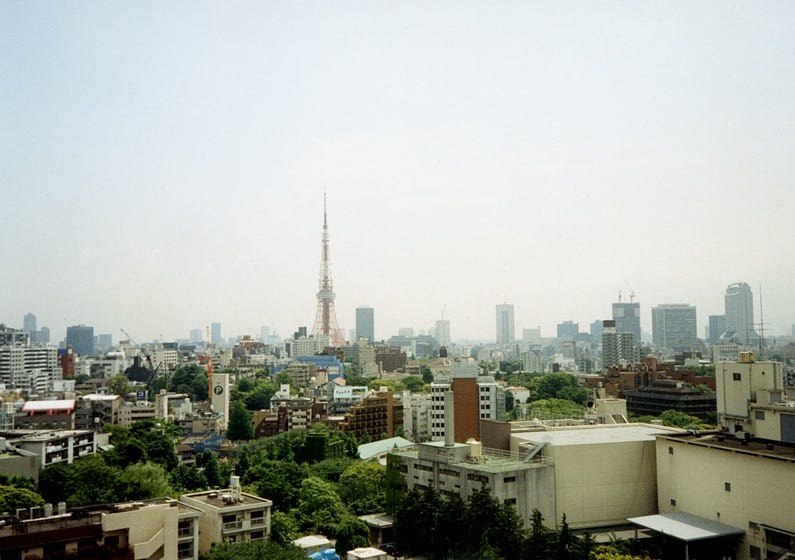
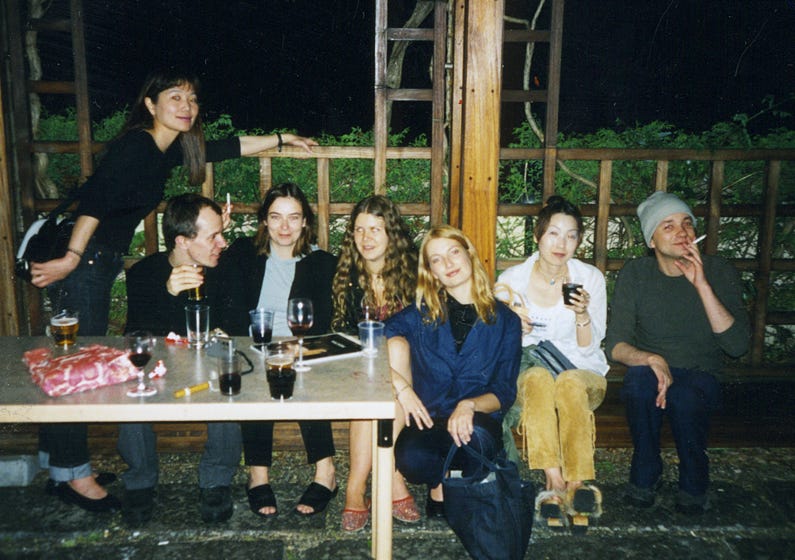
What memories from those weeks in Tokyo so long ago, our first visit in that wildly wondrous mega town, the world’s largest city, which for some years before and after the Millenium become something of a second hometown for me. What a crew we were of some perhaps twenty plus heads traveling to Tokyo for the event, all more or less friends from Stockholm’s small creative community in art, fashion, music and design. In addition to me, Christina, Jan Åman and Thomas Nordanstad, it was m’ol’ homeboy Olle Ljungström (R.I.P!), the legend pop star, young soul singer Dilba, artists Carl Michael von Hausswolff and Maria Misesenberger, photographers/artists André Wolff and Martina Hoogland Iwanow, fashion designers Filippa Knutsson (Filippa k), Marina Kereklidou, Lovisa Burfitt, Roland Hjort and Elisabeth Yaganisawa, and others, as well as Lena Patriksson and Annika Kopp of Stockholm’s first, still dominant fashion PR agency Patriksson Communication, which was founded with this event as its first commission.
Swedish Style in Tokyo has long been operated by the Svensk Form organisation. read more here!
For two weeks, we all engaged, like a true extended family, in a crazy marathon of events, social gathering and nonstop 24-hor partying, needless to say. It all seems a magic, distant dream. So many bonds and friendships were spawned that would span decades. As the event was most improvised and quite humble in scale, its impact, in Japanese, Swedish and global media, and all across Tokyo, surprised and moved us. It’s no exaggeration to claim that a new lasting creative, cultural as well as commercial alliance between Sweden and japan, Stockholm and Tokyo, was born right there and then. A truly pioneering venture it was, no doubt whatsoever about that.
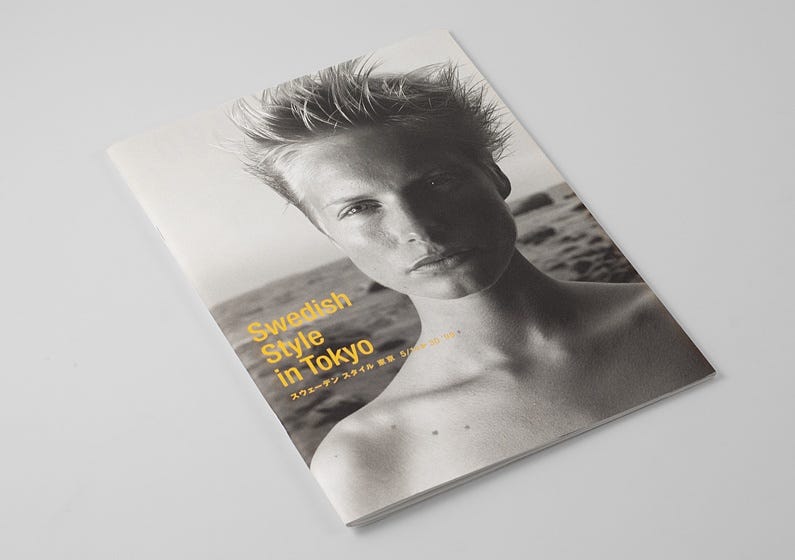
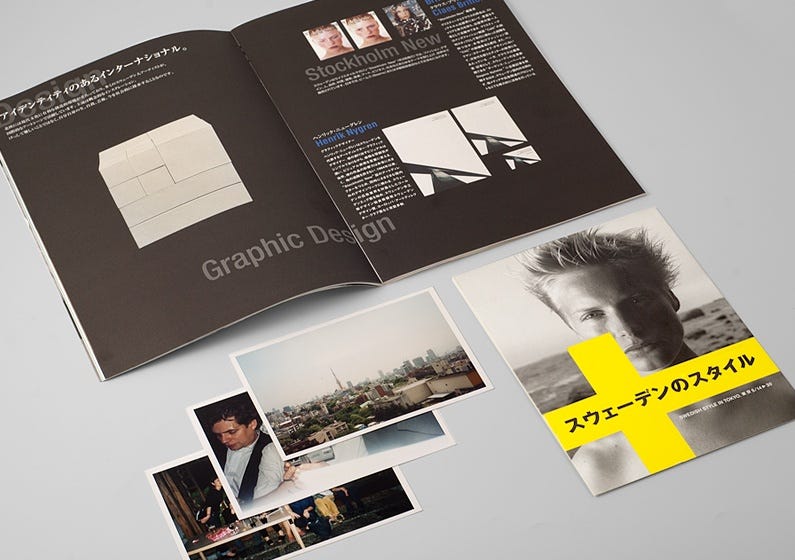
The reason why Swedish Style in Tokyo has had even more enduring positive impact than any of our other vintage Stockholm New events is that it was repeated, again and again, over decades, in Tokyo and also repeatedly in Stockholm, with Tokyo Style in Stockholm, all under Ewa Kumlin’s tireless leadership. The creative alliance formed as a result is magnificent. At the time when Swedish Style premiered in 1999, IKEA and H&M had both previously launched in the Japanese market but both failed and pulled back. In the early 2000s, they both returned with tremendous success, along with numerous other brands, creatives and entrepreneurs in the hype for everything Swedish ignited by the events. It’s fair to state that Swedish Style in Tokyo was the key vehicle in the process of Stockholm and Tokyo becoming a true creative and commercial axis. For this achievent, Ewa Kumlin deserves every accolade.
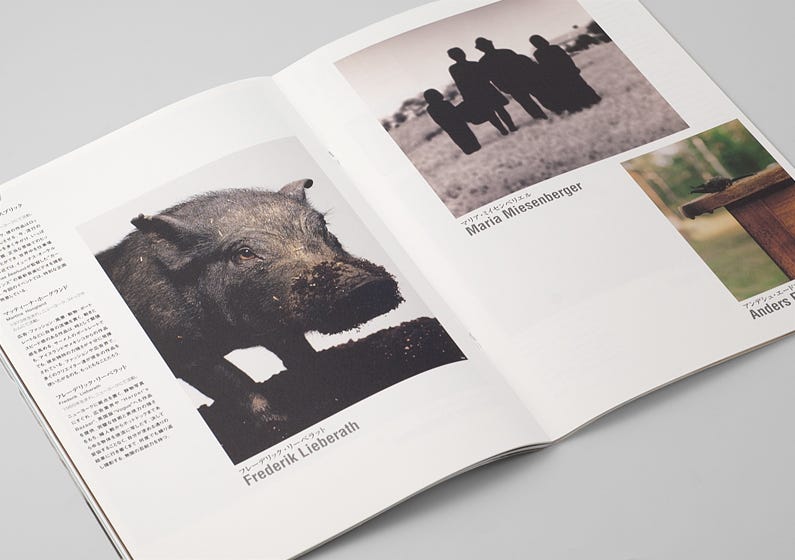
Already in 2001, when we returned to Tokyo for the second version of Swedish Style, the concept had grown huge. This time, we were some 250 or so participants and hangarounds travelling from Stockholm and elsewhere in Sweden, royally helmed by HRH Crown Princess Victoria of Sweden, then 24 years old, who with the event became something of a global ambassador for Sweden’s emerging creative industries. With the added royal glory, the event attracted massive publicity and hype in Japan, Sweden and in the global creative community.
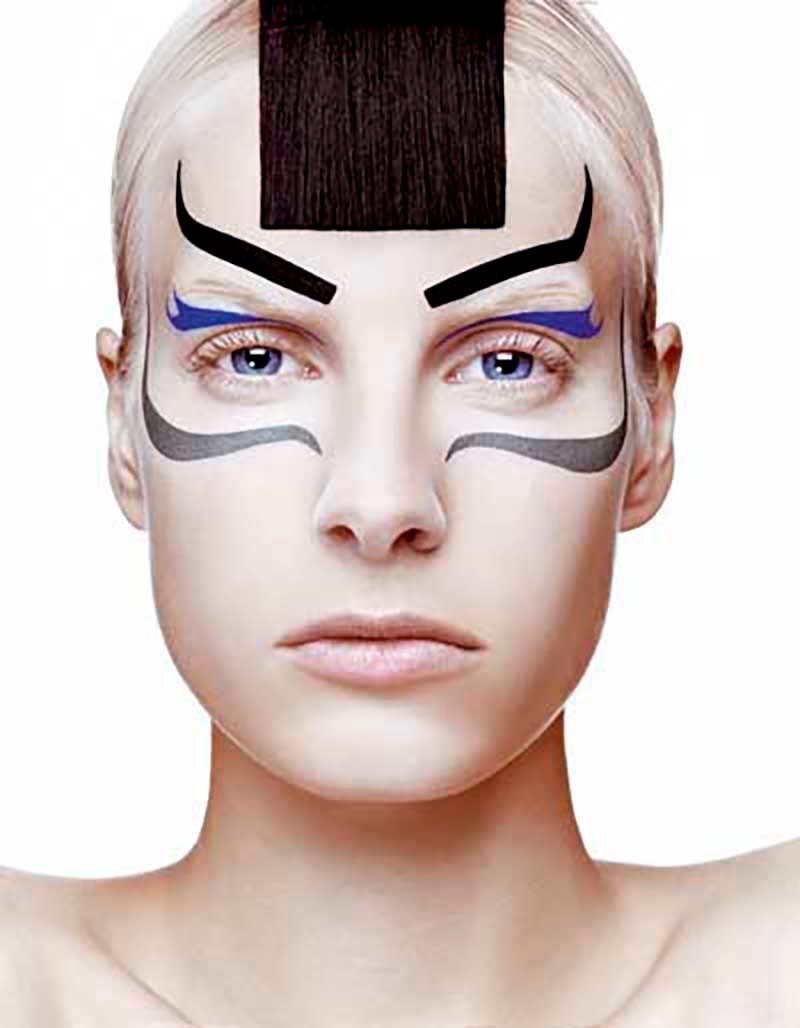
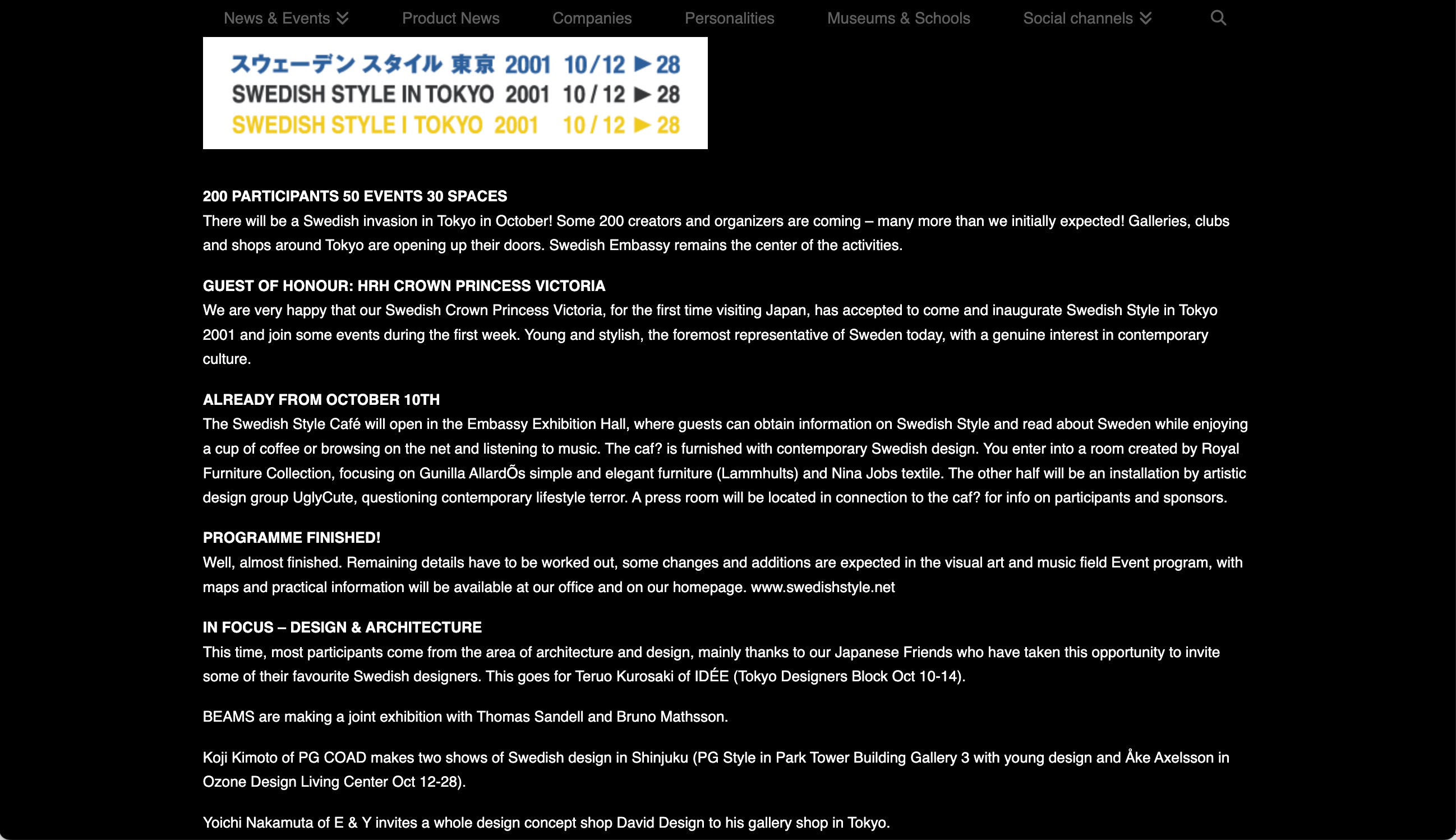
In 2001, Stockholm New was not a co-producer, but wepresented no less than three exhibitions at the sprawling two-week event. You can read the complete program here — impressive, to say the least!
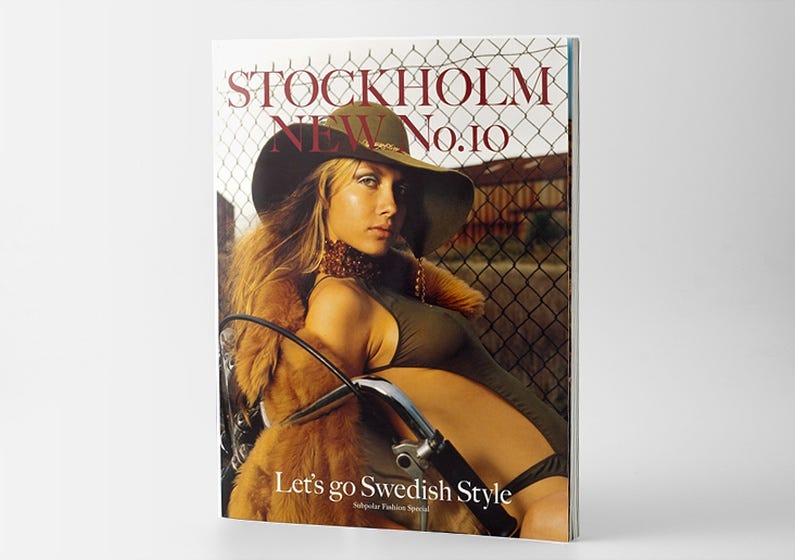
Our greatest contribution to this grand event, however, were the features we published in Stockholm New, and exhibited in Tokyo. Already in 2000, we explained the name/concept/brand Swedish Style in our notorious fashion feature with that same title, Swedish Style, photographed by Mikael Jansson starring our Swedish super model of the era, Mini Andén, and Brazilian dito Anna Claudia Michels in Stockholm New No.10, in 2000.
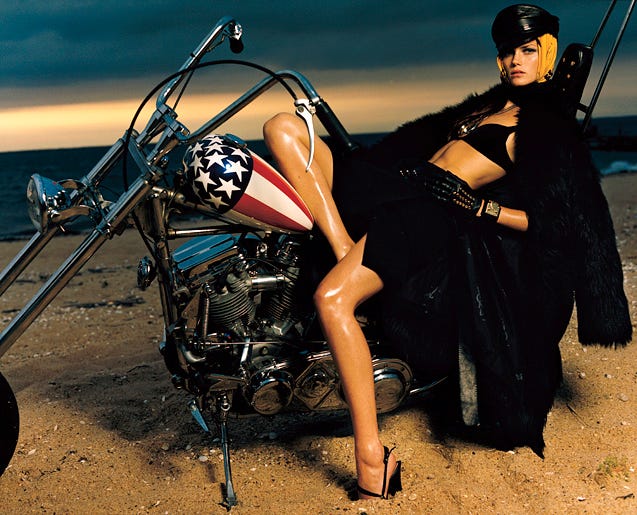
Swedish Style is, of course, also an expression in the biker world, referring to stripped-down choppers of the “Captain America” kind from cult movie Easy Rider from 1969, a replica of which we were able to obtain for the shoot in Montauk Long Island. This minimalistic bike design was actually developed by Swedish custom bike builders in the 1950s, hence the expression. I explained this historic background in a short text accompanying the feature. Unfortunately, the point was lost in the commotion and controversy that story stirred at the time. People still don’t understand the background or the “values” with which the concept Swedish Style is charged, which U guess is just as well. A great name/brand/concept it is in any case …
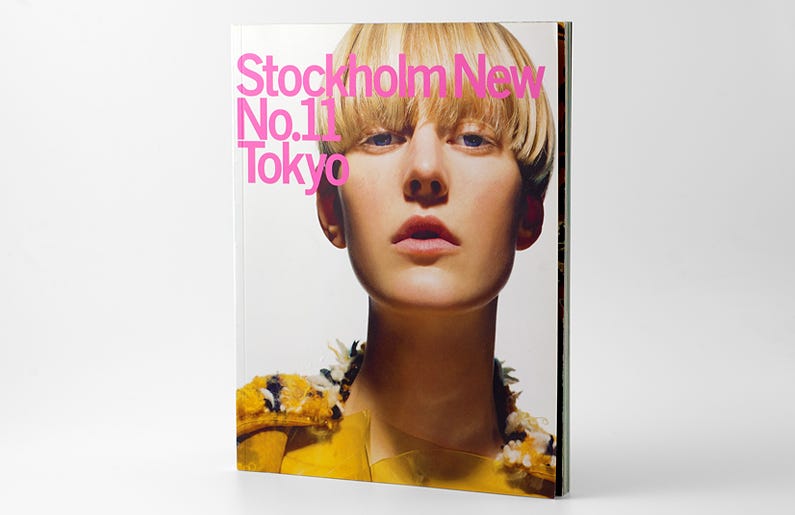
Then for the Swedish Style in Tokyo II event in 2001, we published Stockholm New No.11 — the Tokyo issue, one of our strongest issues, my own personal favorite, which also served as something of a catalog for the event, attracting hot attention and hype in Tokyo and throughout the fashion world.
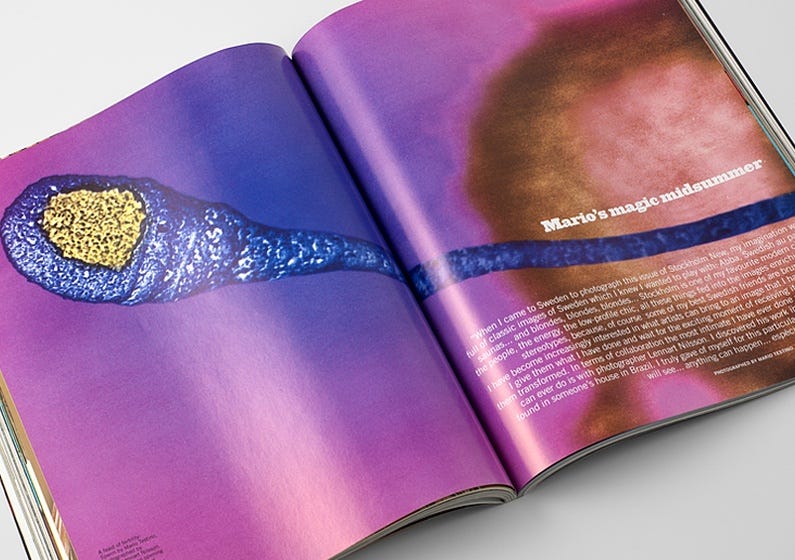
The issue’s dominant fashion feature was Mario Testino’s epic, explosive, hotly controversial 46-page spread Mario’s magic midsummer, opened by an image of Testino’s sperm and DNA by Swedisg photographer legend Lennart Nilsson.
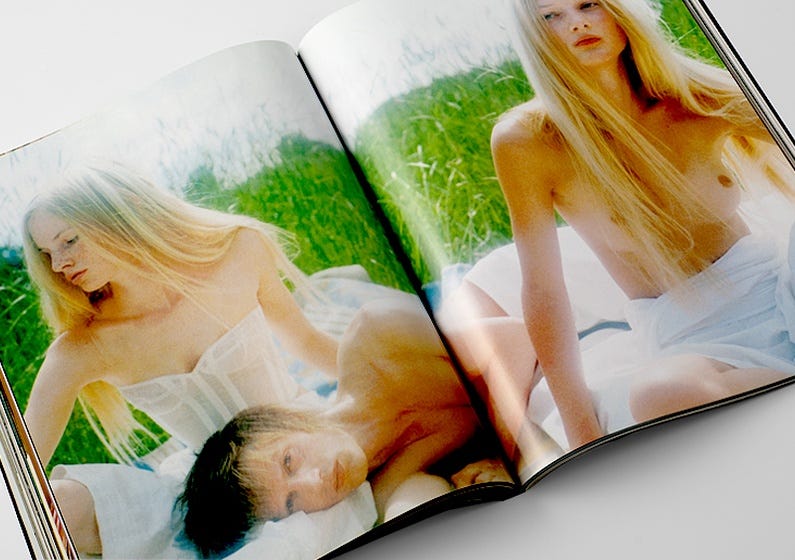
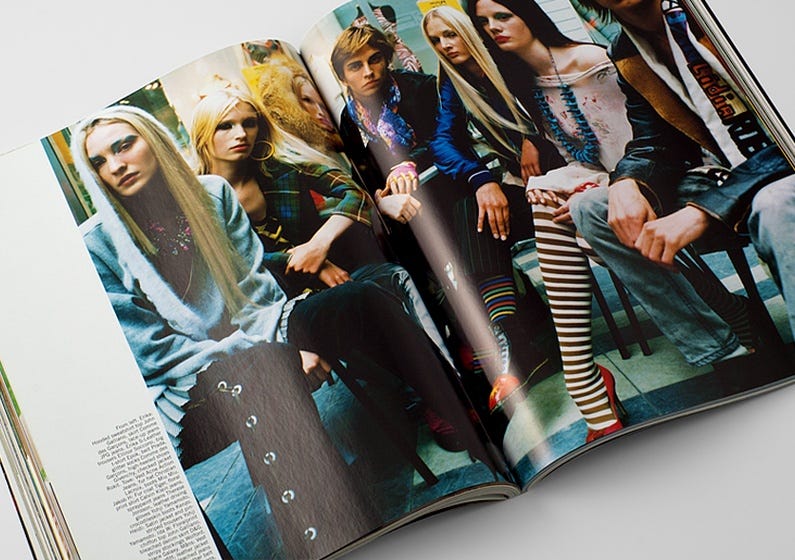
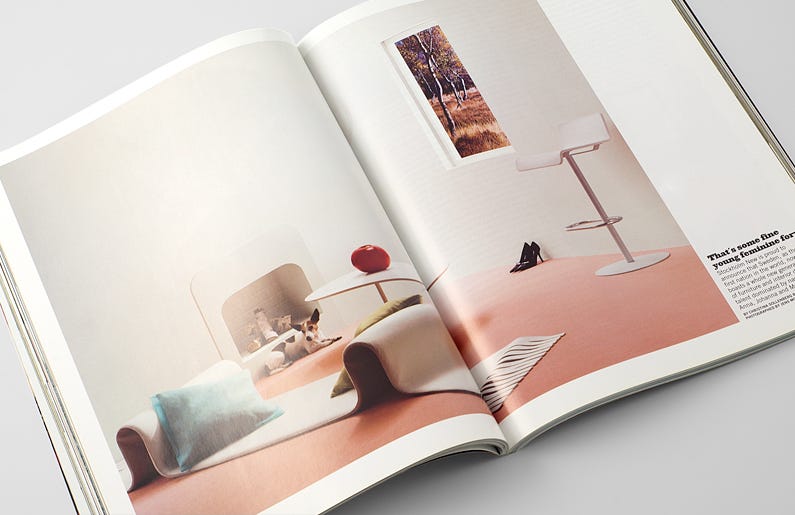
An interior design feature in this issue was That’s some fine young feminine form!, featuring new objects by four young Swedish female interiors and product designers, which also became a much publicized exhibition in the Swedish Style in Tokyo II event in 2001.
Another heavy feature in this issue was Mikael Jansson’s great fashion drama Rest at this well, of which we showed a number of monumental prints in an exhibition with the same title in the Omni gallery in Tokyo during Swedish Style in Tokyo II, 2001.
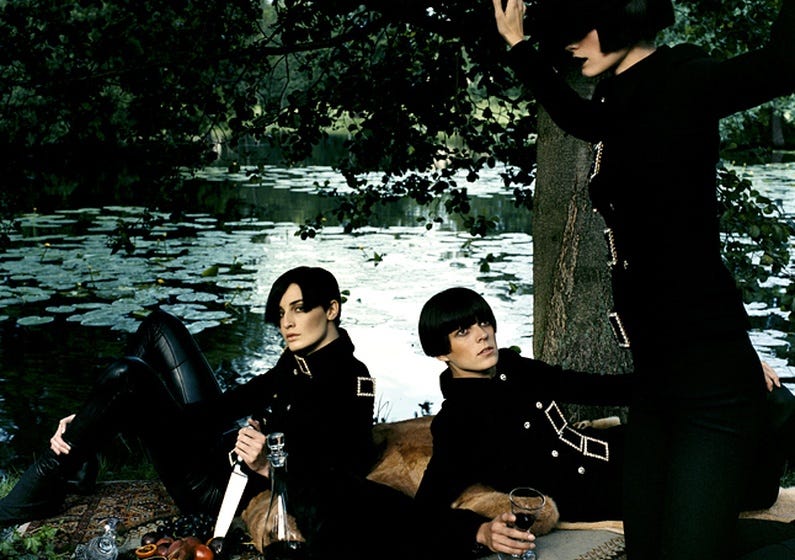
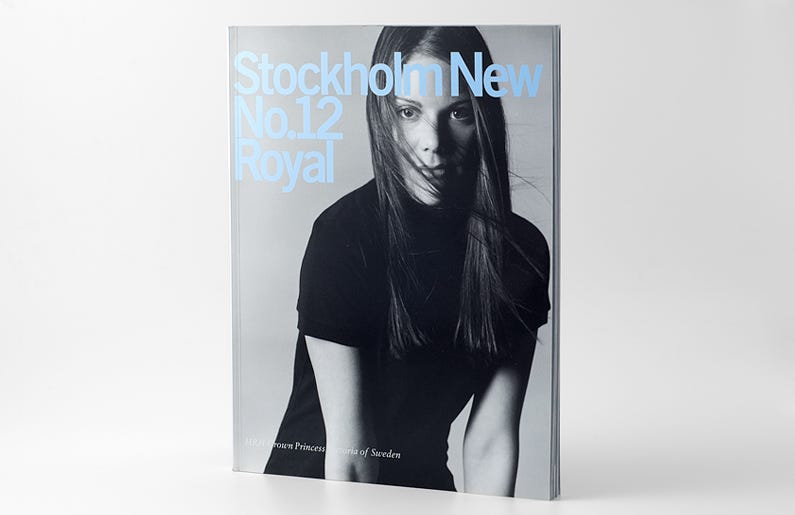
Crown Princess Victoria of Sweden visited the opening of our Mikael Jansson exhibition in Tokyo, aired in Swedish State Television’s feature from the event. My very nice encounter with the young princess at this opening — where she was fascinated with our fashion images photographed near her home in Drottningholm Royal Castle Park — led to my subsequent idea of photographing the Crown Princess for the cover feature of our final Stockholm New issue. Stockholm New No.12 — the Royal issue, published the year after, 2002 — a request she happily accepted, resulting in our famous series of images and my own interview. So much of the late history of our dear magazine and event operation Stockholm New actually comes back to Tokyo.
In 2003, I returned to Tokyo for my outrageous feature Tokyo tempo, first published on commission by my friend Mark Isitt for architecture and design magazine Forum that same year. This wild gonzo tale on my adventures and experiences in this wonderous megalopolis around the Millennium, when Tokyo was a second hometown — by far my own favorite of the fashion metropolises we toured in those years, along with Paris, Milan, London and New York — is available as a separate e-book and included in my digital anthology En svensk gonzo. In Swedish only, unfortunately!
Purchase my gonzo chronicle Tokyo tempo as e-book here! And/or En svensk gonzo here!

AI on Swedish Style in Tokyo:
“Swedish style in Tokyo manifests through a robust cultural movement that blends minimalist Scandinavian design with Japanese aesthetics (often called “Japandi”), permanent retail and culinary fixtures, and major design exchange programs. Historically launched at the turn of the millennium, “Swedish Style” is a highly recognized cultural and trade platform orchestrated by Svensk Form and the Embassy of Sweden in Tokyo to showcase Swedish craft, sustainability, and lifestyle to the Japanese public.
If you are looking to experience authentic Swedish culture, design, and food right in the heart of Tokyo, explore these primary avenues:
Design Festivals & Corporate Events:
Swedish Style at DesignArt Tokyo: This premier export-promoting program returns annually to the DesignArt Tokyo festival (typically late October through early November). It features major pop-ups, designer match-making events, and unique collaborations between Swedish design houses like Blå Station and Orrefors and Japanese craft masters.”